Skip to content

About the Zimbabwe Foreign Service Institute (ZFSI)

Shaping Diplomacy. Advancing Zimbabwe’s Global Footprint.

Who we are

The Zimbabwe Foreign Service Institute (ZFSI) is the nation’s premier authority on diplomatic training and foreign policy advisory. Established under Statutory Instrument 151 of 2020, the Institute serves as the intellectual engine driving Zimbabwe’s sophisticated engagement with the global community. Our mandate is anchored in the Constitution of Zimbabwe and meticulously aligned with the National Development Strategy 2 (NDS2 2026–2030). We ensure that Zimbabwe’s foreign policy remains agile, evidence-based, and unswervingly focused on national prosperity and the attainment of Vision 2030.


Our Vision

To be a cutting-edge centre of excellence in diplomatic training, research and foreign policy advisory by 2030.

Our Mission

To establish and roll out a robust foreign service training and research architecture that produces cutting edge diplomats and high-level foreign policy advisory.

Our Core Functions

The Institute serves as the premier center for professional excellence in diplomacy and international trade. Its core functions are categorized into four strategic pillars:

1. Capacity Building & Human Capital Development

  • Specialized Training: Provide high-level training facilities and curricula for Foreign Service Officers and officials from various Government departments.

  • Multidisciplinary Scope: Deliver courses in Diplomacy, International Relations, Trade, and Tourism, as well as other emerging fields approved by the Board of Governors.

  • Certification: Exercise the authority to issue formal academic certificates to participants who successfully complete the prescribed courses.

2. Research and Policy Advisory

  • Strategic Analysis: Conduct rigorous research and analytical studies in diplomacy and international affairs.

  • Policy Options: Serve as a secondary “think tank” to advise the Government of Zimbabwe on diverse and evolving foreign policy options.

3. Strategic Partnerships & Advancement

  • Institutional Cooperation: Collaborate with local and international training institutions and bodies dedicated to the advancement of diplomatic practice.

  • Grants and Fellowships: Administer grants, fellowships, or similar awards to individuals to promote the development of advanced skills in international relations.

4. Institutional Sustainability

  • Revenue Generation: Implement a fee structure for services rendered to ensure the sustainability and growth of the Institute’s operations.


Functional Summary

Pillar

Key Objective

Education

Professionalizing the Zimbabwean Foreign Service cadre.

Intelligence

Providing evidence-based policy recommendations to the State.

Collaboration

Aligning with global diplomatic best practices through partnerships.

Development

Funding excellence through fellowships and grants.

The Values That Guide Us

Patriotism
Integrity
Excellence
Professionalism
Accountability
Competitiveness

Legal & International Framework

Our operations are governed by a robust framework of national and international law, strategic policies, and executive directives, including:

1. Constitutional & International Foundations

  • The Constitution of Zimbabwe Amendment (No. 20) Act 2013: Specifically Chapter 2, Section 12, which sets out the foreign policy objectives of the Republic.

  • Vienna Convention on Diplomatic Relations (1961): The international standard for diplomatic intercourse and immunities.

  • Vienna Convention on Consular Relations (1963): The framework for managing consular functions and protections.

  • Privileges and Immunities Act [Chapter 3:03]: The domestic legal effect given to international diplomatic and consular protections.

2. National Legislation & Statutory Instruments

  • Public Finance Management Act [Chapter 22:19]

  • Public Procurement and Disposal of Public Assets Act [Chapter 22:23]

  • Public Entities Corporate Governance Act [Chapter 10:31]

  • Zimbabwe Foreign Service Institute (SI 151 of 2020 & SI 299 of 2020): Governing the training and professional development of the foreign service cadre.

  • ZimTrade Constitution (Revised 2018): Governing the national trade development and promotion body.

3. Executive Guidance & Strategic Mandates

  • National Development Strategy 2 (NDS2) 2026–2030: The primary national economic and social blueprint for the current period.

  • Presidential/Executive Directives and Ministerial Guidelines: Ad-hoc and standing instructions from the Head of State and the Minister.

  • Doctrine of Zimbabwe’s Foreign Relations and International Cooperation.

  • Foreign Relations and International Trade Policy.

4. Operational Frameworks (2025-2030)

  • Strategic Plan and the Minister’s Action Plan (2025–2030 First Edition): Ministry of Foreign Affairs and International Trade.

  • Reporting Directive for Zimbabwe Foreign Service Number 1 of 2025: Standardizing mission-to-head-office communications.

  • Standard Operating Procedures (SOPs) for Foreign Relations and International Cooperation.


Key Highlights for This Framework

Note: The inclusion of NDS2 (2026-2030) is critical, as it signals that the Ministry’s trade and diplomatic efforts are directly synchronized with the nation’s latest macro-economic goals. Furthermore, citing SI 151 and 299 of 2020 reinforces the commitment to a professionalized, well-trained diplomatic corps.

Partnerships

Governance

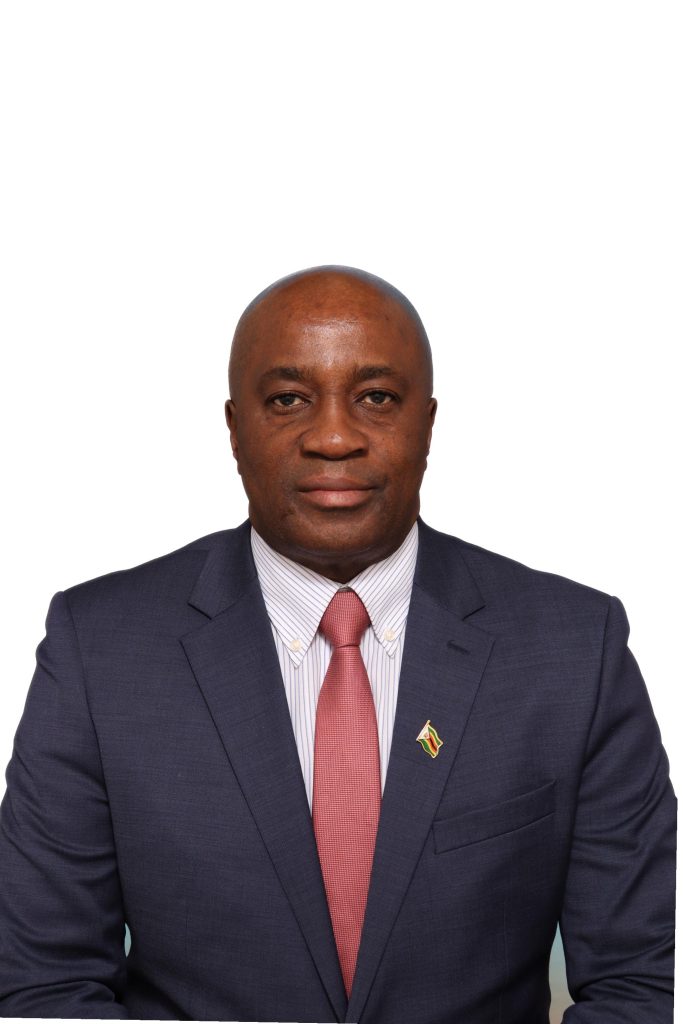
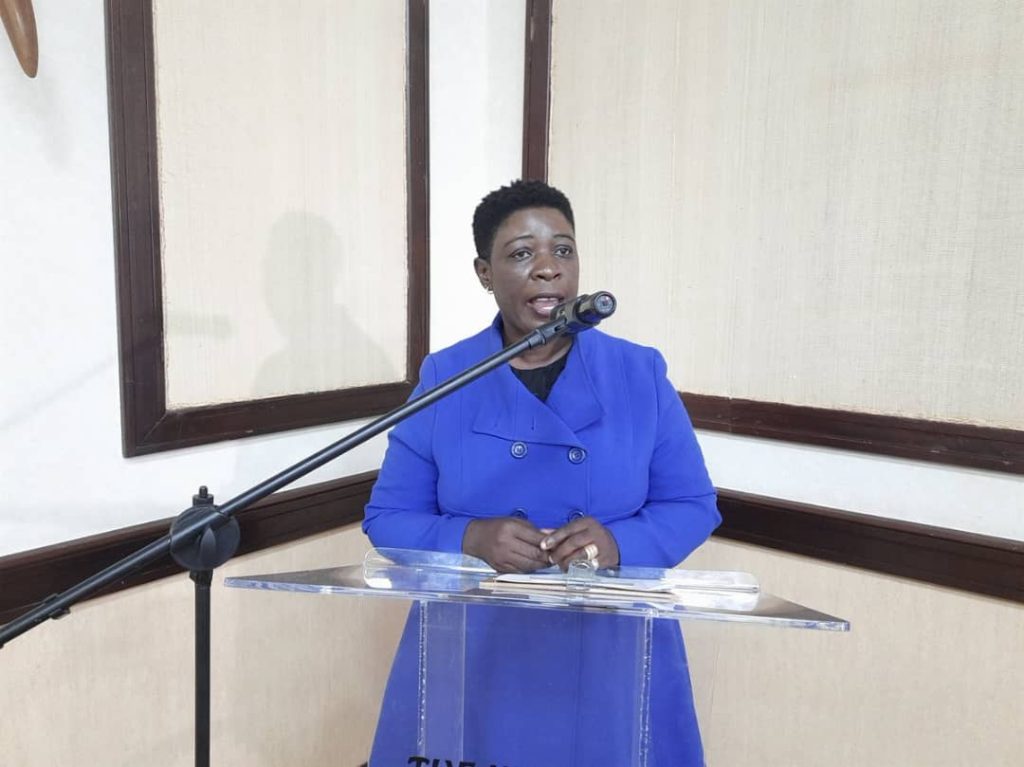
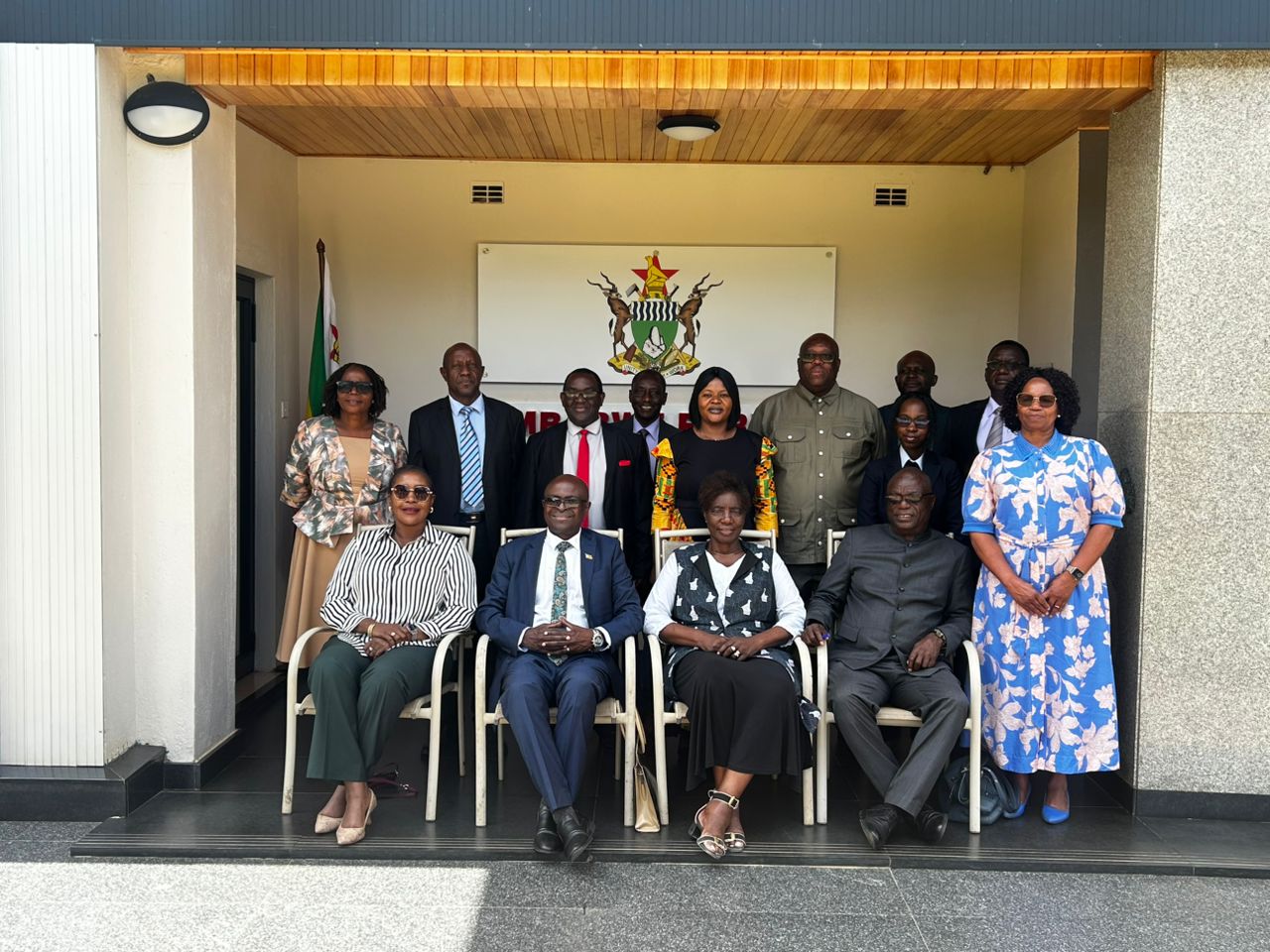
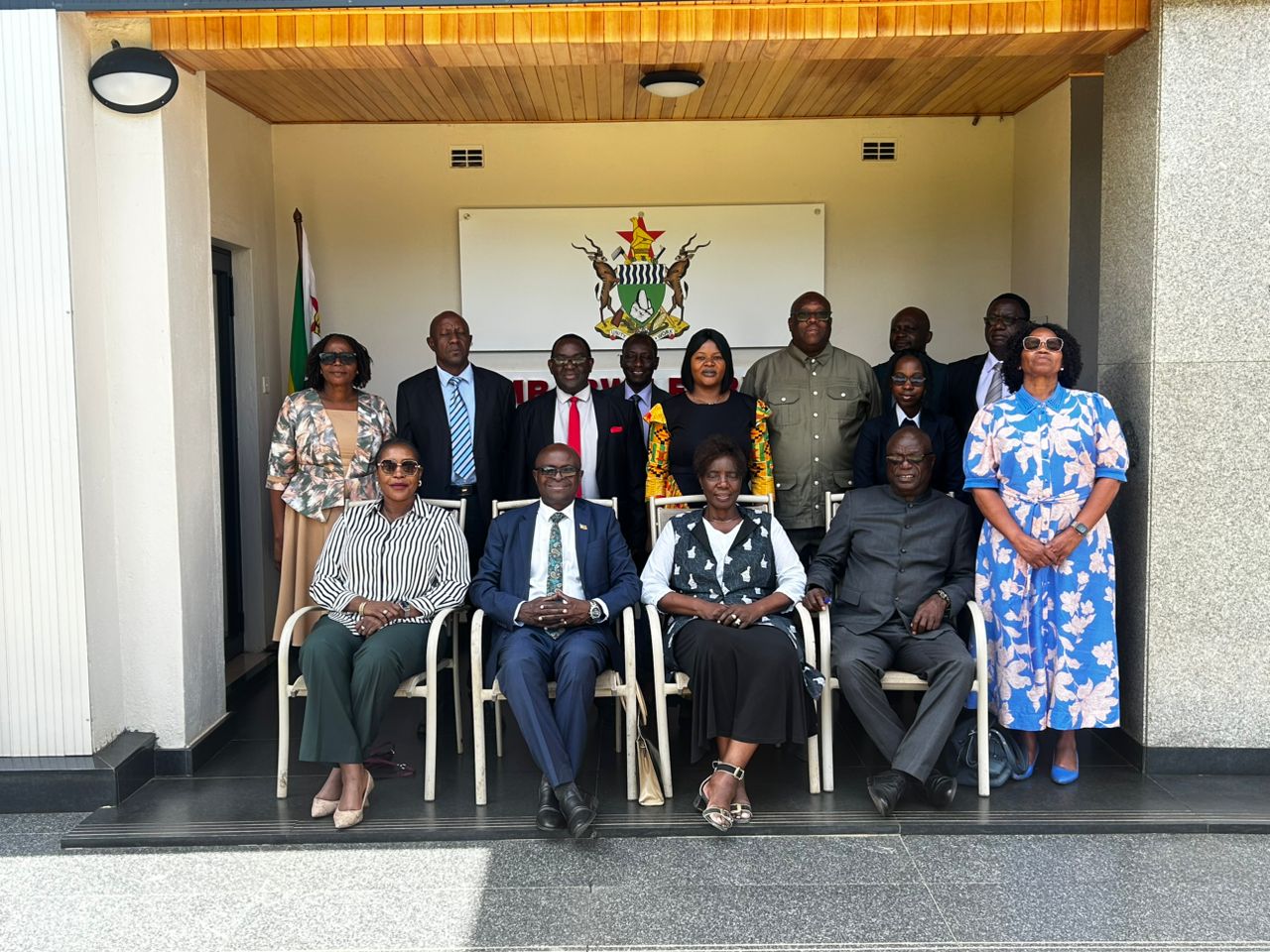
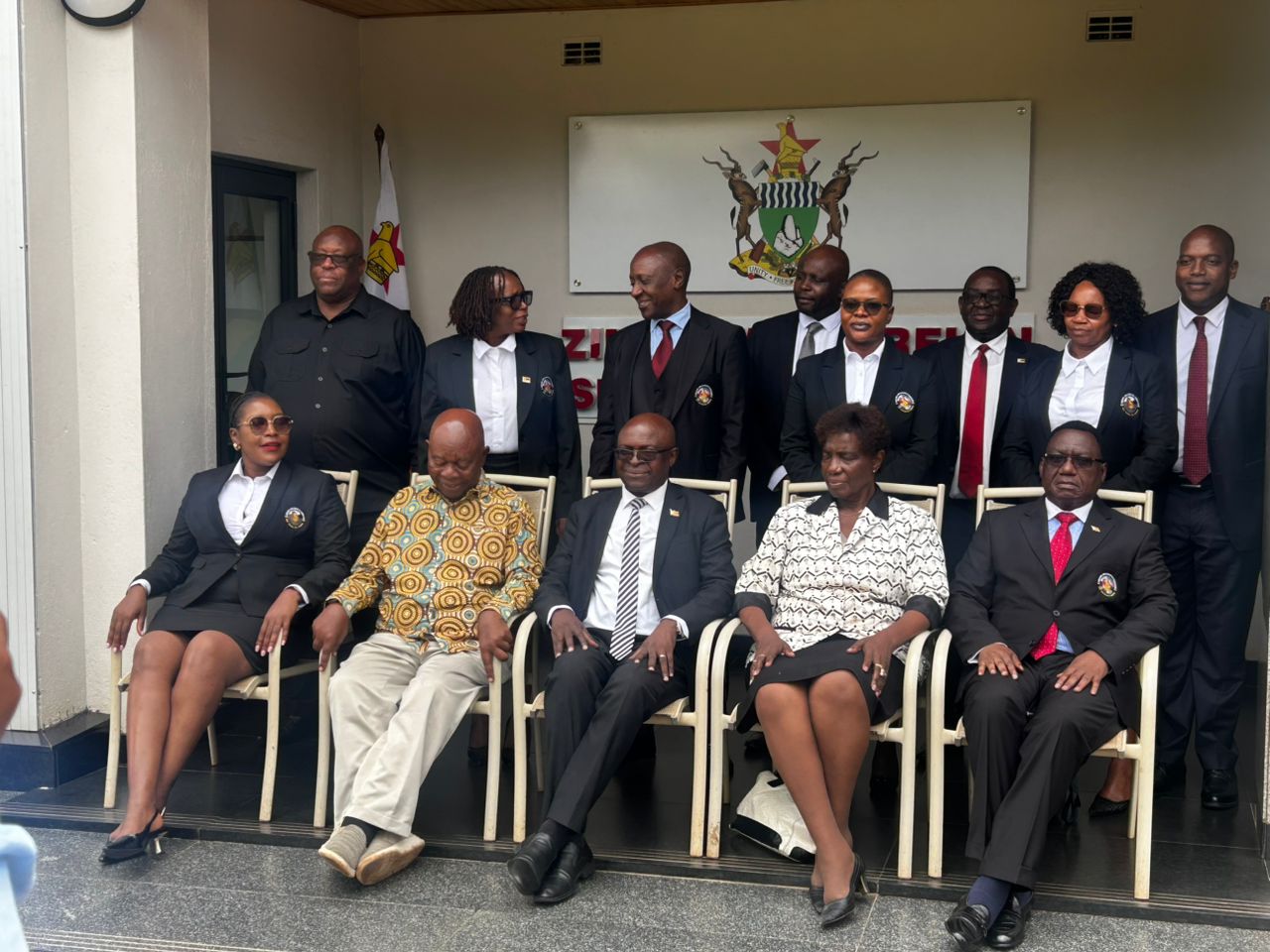
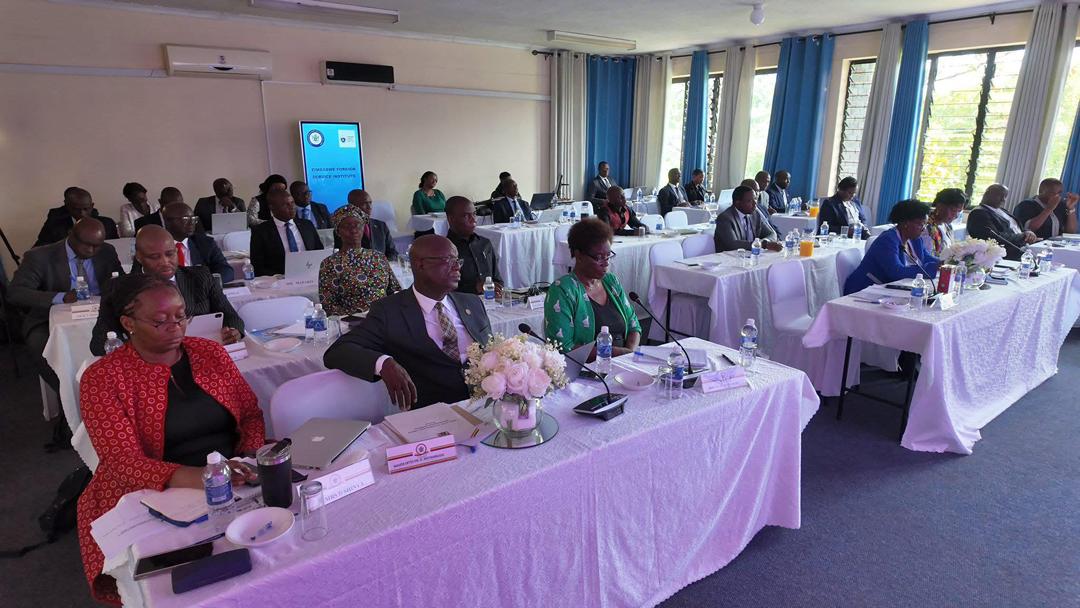
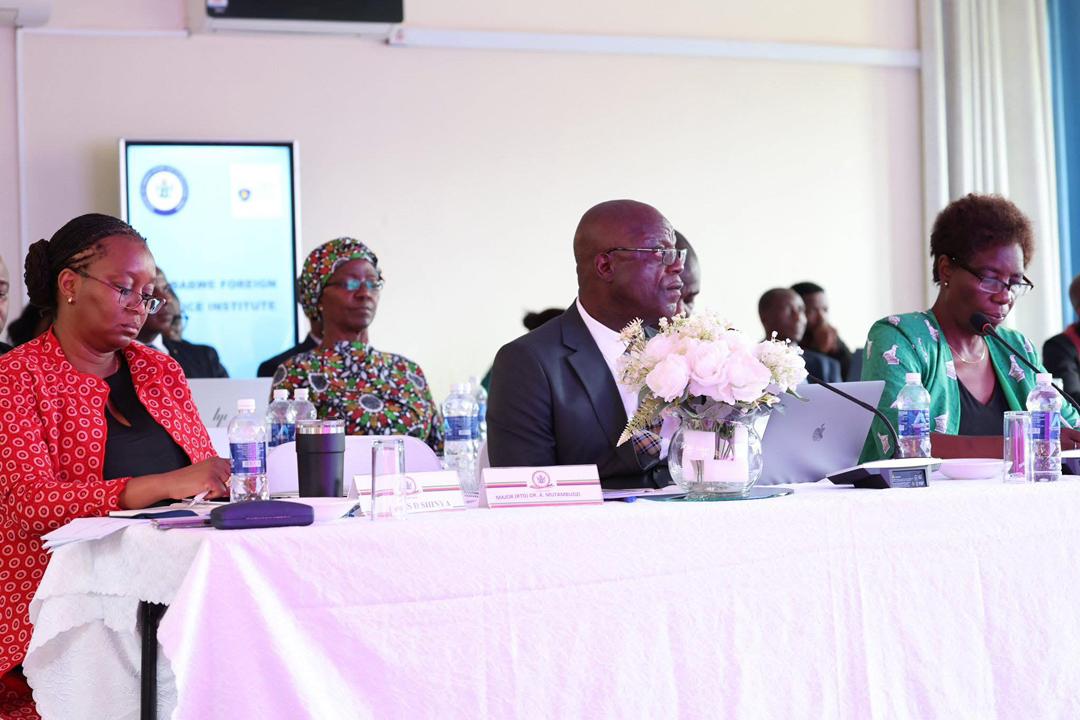
The Zimbabwe Foreign Services Institute is guided by a Board of Governors comprising distinguished professionals from the diplomatic, corporate and public sectors.

Board Chairperson

Ambassador dr. Margaret Mary Muchada

Board of Governors

Major(Ret'd) Dr. Anywhere Matambudzi

Deputy Board Chairperson & Chair of the Academic Committee

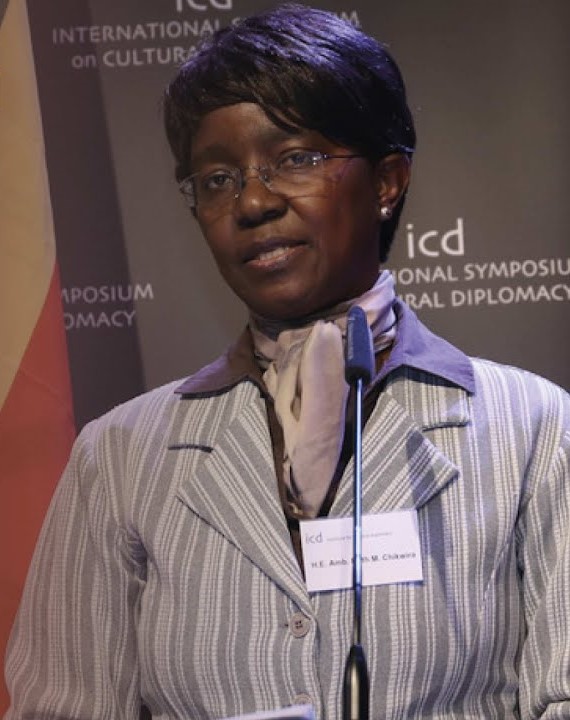
Ambassador Ruth Masodzi Chikwira

Former Ambassador of Zimbabwe to Canada

Mr. Similo Nkala

Governor representing ZimTrade

Ambassador Stewart Nyakotyo

Zimbabwean Ambassador to Japan and Chair of the Human Resources Committee

Ms. Duduzile Shinya

Chair Of The Finance Committee

Mrs. Barbara Murasiranwa-Hughes

Chair For The Audit Committee

Lieutenant Colonel (Rtd) Dr. Sadiki Maeresera

Chief Director Strategic Communications, Presidential Communications in the OPC

Staff Members

Tinotenda Chidhawu

Director Research and Policy Advisory

Knocks Tapiwa Zengeni

Director Training

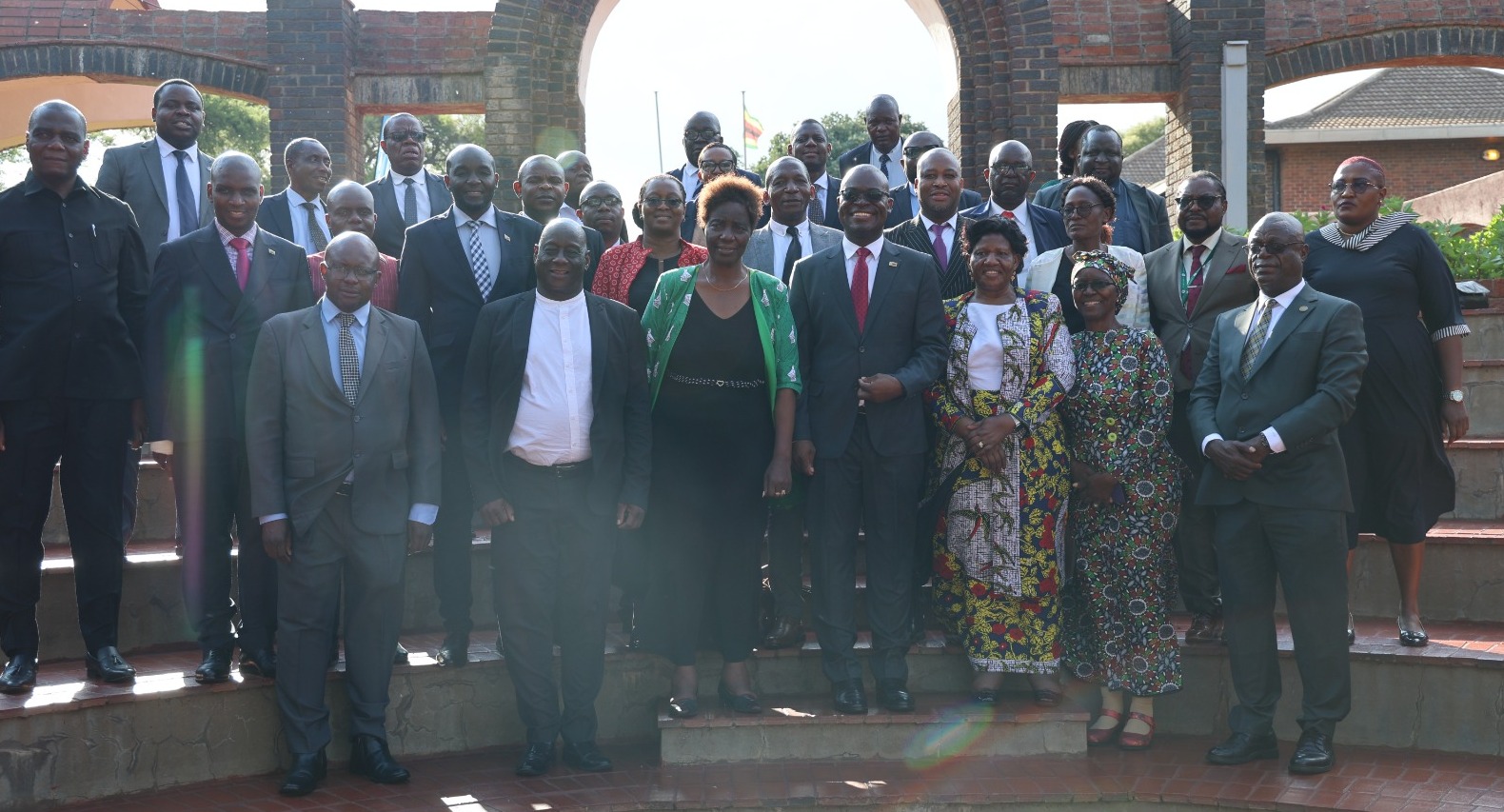
Gallery